


Science vocabulary shapes how students, teachers, and researchers describe the natural world. The letter B alone introduces dozens of terms that explain living organisms, chemical reactions, and physical properties. From biology to buffer solutions, these words appear constantly in classrooms, textbooks, and laboratories.
This guide breaks down the most important science words that start with B, including biology, biochemistry, biotechnology, biodiversity, bacteriology, and more. Each term includes a clear, standalone definition along with real examples so the meaning sticks.
List of science words that start with B
Science words starting with B span nearly every discipline, including life sciences, chemistry, physics, and earth science. The table below offers a quick reference before the detailed explanations that follow.
| Term | Field | Simple Definition |
|---|---|---|
| Biology | Life Science | Study of living organisms and their processes |
| Biochemistry | Chemistry | Chemical processes inside living organisms |
| Biotechnology | Applied Science | Using living systems to develop products |
| Biodiversity | Ecology | Variety of life within a habitat or ecosystem |
| Bacteriology | Microbiology | Study of bacteria and their effects |
| Behavioral Science | Social Science | Study of human and animal actions |
| Boiling Point | Physics/Chemistry | Temperature where liquid turns to gas |
| Biomagnetism | Biophysics | Magnetic fields produced by living tissue |
| Botany | Life Science | Study of plants and plant life |
| Bond Energy | Chemistry | Energy needed to break a chemical bond |
| Burning | Chemistry | Rapid chemical reaction with oxygen |
| Base Pair | Genetics | Two nucleotides linked in a DNA strand |
| Buffer Solution | Chemistry | Solution that resists pH change |
| Biome | Ecology | Large region defined by climate and organisms |
Beyond this core list, students also encounter related B words such as bacteria, biosphere, buoyancy, barometer, and Bernoulli’s principle. Each one connects back to a broader scientific field, which is why building a strong foundation in these fourteen terms makes the rest of the vocabulary easier to learn.
Many exam boards and science curriculums group these terms under life science, physical science, and earth science categories. Recognizing which category a word belongs to makes it easier to remember its meaning and apply it correctly during tests, lab reports, or classroom discussions. A clear pattern also emerges here: most B words tied to living organisms begin with the prefix “bio,” which comes from the Greek word for life. Once a learner recognizes this pattern, new terms like biomarker, biosphere, or biomechanics become far easier to decode without memorizing each one individually.
Biology
What is biology in simple terms?
Biology is the scientific study of living organisms, covering their structure, function, growth, and interaction with the environment. It explains everything from single-celled bacteria to complex animals and plants, forming the foundation of every other life science field.
Biology divides into smaller branches such as zoology, microbiology, genetics, and ecology. Each branch focuses on a specific part of life, yet all of them share the same core goal: understanding how living things work and survive.
A cell is the basic unit of life, and every living organism is made of one or more cells. This single fact drives most biological research, from cancer treatment to agricultural science. Biologists use observation, experimentation, and classification to answer questions about life on Earth.
Students often meet biology first through topics like the human body, plant growth, or animal behavior. Because biology touches medicine, agriculture, and environmental science, it remains one of the most practical and widely studied fields in modern education.
Modern biology also relies heavily on technology, including microscopes, gene sequencers, and computer modeling. These tools let researchers observe processes at a molecular level that were impossible to study just decades ago, from tracking individual proteins inside a cell to mapping entire ecosystems through satellite imagery.
Biochemistry
What does biochemistry study?
Biochemistry studies the chemical processes that occur within living organisms, including how molecules like proteins, carbohydrates, and lipids interact. It explains how cells produce energy, build tissue, and carry out the reactions needed for life to continue.
This field sits at the intersection of biology and chemistry. Biochemists examine enzymes, hormones, and metabolic pathways to understand how the body converts food into usable energy. Photosynthesis, digestion, and DNA replication are all biochemical processes.
Medical research relies heavily on biochemistry. Drug development, disease diagnosis, and nutrition science all depend on understanding molecular interactions inside cells. For example, insulin regulation in the human body is a biochemical process that directly affects diabetes treatment.
Biochemistry also explains why certain foods provide energy while others do not. Carbohydrates break down into glucose, which cells use as fuel. This connection between chemistry and biology makes biochemistry one of the most applied sciences in medicine and nutrition today.
Enzymes are a central topic in biochemistry because they speed up chemical reactions without being consumed in the process. Nearly every function inside a living cell, from digesting a meal to repairing damaged tissue, depends on specific enzymes working at the right time and temperature.
Biotechnology
How is biotechnology used today?
Biotechnology uses living organisms, cells, or biological systems to develop products and technologies that improve human life. It appears in medicine through vaccines, in agriculture through disease-resistant crops, and in industry through biofuels and enzymes.
Modern biotechnology includes genetic engineering, which allows scientists to modify an organism’s DNA for a specific purpose. CRISPR gene editing, a well-known biotechnology tool, lets researchers alter genes with precision to treat genetic disorders.
Agricultural biotechnology has increased crop yields worldwide. Scientists engineer plants to resist pests, tolerate drought, and grow in poor soil conditions. This has directly improved food security in many regions facing climate challenges.
Biotechnology also powers vaccine development. Traditional and mRNA vaccines both rely on biotechnological methods to train the immune system against specific pathogens. As research advances, biotechnology continues to expand into renewable energy, waste management, and personalized medicine.
Industrial biotechnology uses microorganisms and enzymes to manufacture products like biodegradable plastics, laundry detergents, and biofuels. This shift toward biological manufacturing reduces reliance on petroleum-based processes, offering a more sustainable path for several major industries.
Biodiversity
Why is biodiversity important?
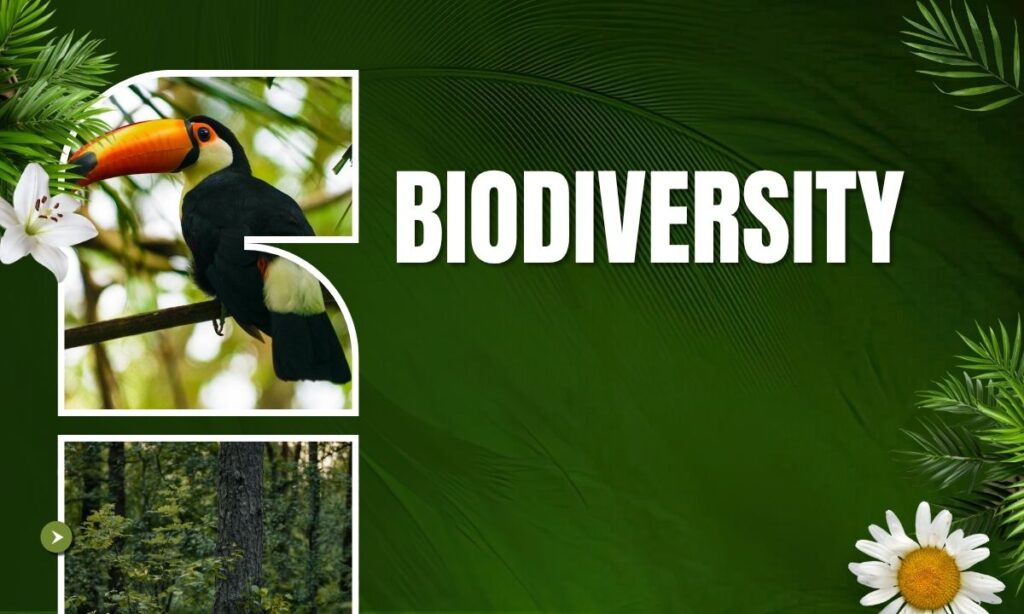
Biodiversity refers to the variety of living species within a habitat, ecosystem, or the entire planet. It includes differences in plants, animals, fungi, and microorganisms, and it directly supports ecosystem stability, food production, and medicine.
A biodiverse ecosystem can better withstand disease, climate shifts, and environmental stress because it does not depend on a single species to function. Rainforests and coral reefs are examples of high biodiversity zones that support thousands of interconnected species.
Human activity, including deforestation and pollution, has reduced biodiversity in many regions. Scientists track species loss through conservation studies, since a decline in biodiversity often signals a larger environmental problem.
Protecting biodiversity supports agriculture, clean water, and even new medicines, since many drugs originate from plant and animal compounds. Conservation programs work to restore habitats and prevent extinction, keeping ecosystems balanced for future generations.
Pollinators such as bees and butterflies illustrate why biodiversity loss carries real economic consequences. A decline in pollinator populations directly threatens crop yields for fruits, vegetables, and nuts, showing how a single species loss can ripple through an entire food supply chain.
Bacteriology
What is bacteriology and why does it matter?
Bacteriology is the branch of microbiology that studies bacteria, including their structure, genetics, and role in disease and health. It helps scientists identify harmful bacteria, develop antibiotics, and understand beneficial bacteria that support digestion and immunity.
Bacteria are single-celled microorganisms found almost everywhere, including soil, water, and the human body. While some bacteria cause illness, such as strep throat or tuberculosis, others are essential for processes like fermentation and nutrient cycling.
Bacteriologists study how bacteria reproduce, resist treatment, and spread infection. This research directly supports antibiotic development, food safety standards, and public health policy. Antibiotic resistance, a growing global concern, is studied primarily through bacteriology.
The human gut contains trillions of bacteria that aid digestion and support the immune system. This connection between bacteriology and everyday health shows why the field remains central to both medicine and biology.
Bacteriologists also study bacterial classification, grouping species by shape, oxygen requirements, and genetic makeup. This classification system helps doctors quickly identify an infection type and choose the correct treatment, which is especially important when responding to fast-moving outbreaks.
Behavioral Science
What does behavioral science examine?
Behavioral science studies how humans and animals act, react, and make decisions in different situations. It combines psychology, sociology, and biology to explain patterns in behavior, from habit formation to group decision-making.
Researchers in this field study motivation, learning, and social influence. For example, behavioral science explains why people respond differently to rewards versus punishments, or why group settings can change individual decisions.
This field has practical applications in marketing, public health campaigns, and education. Understanding behavior patterns helps design better messaging, whether it is encouraging vaccination, promoting healthy eating, or improving classroom learning strategies.
Animal behavioral studies also fall under this science, examining instincts, communication, and social structures within species. Behavioral science bridges biology and psychology, offering insight into why living things act the way they do.
Researchers often rely on controlled experiments and long-term observation to gather behavioral data. Findings from these studies now shape workplace policy, financial planning tools, and even how mobile apps are designed to encourage healthier daily habits.
Boiling Point
What is the boiling point of a substance?
Boiling point is the specific temperature at which a liquid changes into a gas under normal atmospheric pressure. Water boils at 100 degrees Celsius, or 212 degrees Fahrenheit, at sea level, though this value shifts with altitude and pressure.
Boiling point depends on the strength of the molecular bonds within a substance. Liquids with weak intermolecular forces boil at lower temperatures, while liquids with strong bonds require more heat energy to reach the boiling stage.
Altitude directly affects boiling point because air pressure decreases at higher elevations. Water boils below 100 degrees Celsius on a mountain, which is why cooking instructions often change for high-altitude locations.
Boiling point is a key measurement in chemistry, cooking, and industrial processes. It helps scientists identify unknown substances, purify liquids through distillation, and design equipment that operates safely under specific temperature ranges.
Adding a solute, such as salt, to water raises its boiling point slightly, a phenomenon known as boiling point elevation. This principle explains everyday cooking tricks and also plays a role in industrial applications like antifreeze formulas used in vehicle engines.
Biomagnetism
What is biomagnetism in science?
Biomagnetism is the study of magnetic fields produced by living organisms, particularly through electrical activity in the body. The human heart and brain generate small magnetic fields that scientists measure using specialized sensors.
This field supports medical imaging technologies such as magnetoencephalography, which maps brain activity by detecting magnetic signals from neurons. Doctors use similar principles to study heart function without invasive procedures.
Biomagnetism differs from simple magnetism because it focuses specifically on biological sources rather than magnets or metals. It connects physics and medicine, showing how electrical activity inside cells creates measurable magnetic effects.
Researchers continue exploring biomagnetism for early disease detection, since abnormal magnetic patterns in organs can signal health problems before symptoms appear. This growing field blends biophysics with practical diagnostic tools.
Because biomagnetic signals are extremely small, scientists rely on highly sensitive devices called SQUID magnetometers to detect them. These instruments filter out background magnetic noise from the environment, allowing researchers to isolate the faint signals produced by the heart or brain.
Botany

What is botany and what does it cover?
Botany is the scientific study of plants, including their structure, growth, reproduction, and classification. It examines everything from single-celled algae to towering trees, explaining how plants convert sunlight into energy through photosynthesis.
Botanists study plant anatomy, genetics, and how plants adapt to different environments. This research supports agriculture, forestry, and conservation, helping scientists develop crops that resist disease, drought, and pests.
Botany also plays a role in medicine, since many pharmaceutical compounds originate from plant sources. Aspirin, for example, was originally derived from willow bark, showing how plant study connects directly to human health.
As global challenges around food security and climate change grow, botany remains essential for developing resilient crops and understanding ecosystem health. Plant science continues to support renewable resources and sustainable agriculture worldwide.
Botanists also classify plants into families and species using shared physical traits and genetic markers. This classification system, built on centuries of careful observation, allows scientists worldwide to communicate about a single plant species using one consistent scientific name.
Bond Energy
What is bond energy in chemistry?
Bond energy is the amount of energy required to break a chemical bond between two atoms in a molecule. Higher bond energy means a stronger, more stable bond that resists breaking under normal conditions.
Chemists use bond energy values to predict how reactions will behave, including whether a reaction releases or absorbs energy. Breaking bonds requires energy input, while forming new bonds releases energy back into the system.
This concept explains combustion reactions, where breaking carbon-hydrogen bonds in fuel releases energy used for heat and motion. Bond energy also plays a role in metabolism, since the body breaks chemical bonds in food to release usable energy.
Understanding bond energy helps scientists design new materials, predict reaction outcomes, and improve energy efficiency in industrial chemical processes. It remains a foundational concept across organic and inorganic chemistry.
Different bond types carry different energy values. Triple bonds generally require more energy to break than double bonds, which in turn require more energy than single bonds, a pattern that helps chemists estimate how reactive a given molecule will be.
Burning
What happens chemically during burning?
Burning, also called combustion, is a rapid chemical reaction between a fuel and oxygen that releases heat and light. It requires three elements to occur: fuel, oxygen, and a source of ignition, often called the fire triangle.
During burning, chemical bonds in the fuel break apart while new bonds form with oxygen, producing carbon dioxide, water vapor, and energy. This exothermic reaction explains why fires feel hot and produce visible flames.
Different materials burn at different rates depending on their chemical composition. Wood burns slower than gasoline because of differences in molecular structure and bond energy, which directly affects how quickly the reaction releases energy.
Understanding burning supports fire safety, engine design, and energy production. Power plants, vehicles, and heating systems all rely on controlled combustion to convert chemical energy into usable heat or mechanical work.
Firefighters use the fire triangle concept to extinguish flames by removing one of the three required elements. Cutting off oxygen, cooling the fuel below its ignition temperature, or removing the fuel source are the three main strategies used to stop a fire from spreading.
Base Pair
What is a base pair in DNA?
A base pair is two complementary nucleotide bases joined together within a DNA or RNA strand. In DNA, adenine always pairs with thymine, and cytosine always pairs with guanine, forming the ladder-like structure of the double helix.
Base pairs store genetic information that determines traits, from eye color to disease risk. The human genome contains about three billion base pairs, each contributing to the instructions that guide cell function and development.
Scientists count base pairs to measure genome size and compare species. Genetic testing, DNA sequencing, and forensic science all rely on analyzing base pair patterns to identify individuals or detect genetic mutations.
This pairing system also explains DNA replication, since each strand acts as a template for building a new matching strand. Base pairs remain central to genetics, medicine, and biotechnology research today.
The strength of a base pair bond depends on hydrogen bonding between the two nucleotides. Guanine and cytosine form three hydrogen bonds, while adenine and thymine form only two, which is one reason DNA regions rich in guanine and cytosine tend to be more stable under heat.
Buffer Solution
What does a buffer solution do?
A buffer solution resists changes in pH when small amounts of acid or base are added to it. This stability makes buffers essential in chemistry, biology, and medicine, where maintaining a specific pH range is critical.
Human blood contains a natural buffer system that keeps pH levels stable, even when the body produces acidic byproducts during metabolism. Without this buffering effect, small chemical changes could disrupt vital organ function.
Buffer solutions typically contain a weak acid and its conjugate base, or a weak base and its conjugate acid. This combination allows the solution to neutralize added acids or bases without causing a dramatic pH shift.
Laboratories use buffer solutions to maintain stable conditions during experiments, especially in biochemistry and pharmaceutical testing. Accurate pH control ensures reliable results when studying enzymes, proteins, and other pH-sensitive reactions.
Buffers also protect aquatic ecosystems, since natural minerals in lakes and rivers help stabilize pH levels against acid rain or pollution. When a buffer system becomes overwhelmed, the resulting pH swing can harm fish and other aquatic organisms sensitive to chemical changes.
Biome
What is a biome in ecology?
A biome is a large geographic region defined by its climate, vegetation, and the animal species adapted to live there. Deserts, rainforests, tundras, and grasslands are all examples of distinct biomes found across the planet.
Each biome has specific temperature ranges, rainfall patterns, and soil conditions that shape which plants and animals can survive there. A rainforest biome supports dense vegetation and high biodiversity, while a desert biome favors species adapted to extreme heat and low water.
Biomes differ from ecosystems because they represent broader climate zones rather than a single interconnected community. Multiple ecosystems can exist within one biome, each with its own specific interactions between organisms and their environment.
Studying biomes helps scientists track climate change, since shifting temperature and rainfall patterns can alter where certain biomes exist. This research supports conservation planning and helps predict how species distribution may change over time.
Earth contains major terrestrial biomes such as tundra, taiga, temperate forest, grassland, desert, and tropical rainforest, along with aquatic biomes like freshwater and marine systems. Comparing these biomes helps students understand how climate directly shapes which species can survive in a given region.
You can also checkout this artile as well SYFM Meaning Revealed: The Shocking Truth Explained
Final words
Science words that start with B cover an impressive range of topics, from the microscopic world of bacteriology to the large-scale patterns found in biomes. Learning these terms builds a stronger foundation for biology, chemistry, and environmental science, making complex concepts easier to understand and apply.
Whether preparing for an exam, teaching a classroom, or simply exploring scientific curiosity, these fourteen B words offer a practical starting point. Revisiting them regularly, along with related terms like bacteria and buoyancy, will strengthen scientific vocabulary and improve comprehension across every branch of science.

